Two Sienese Defenestrations, Seven Hundred Years Apart
The deaths of Pia de Tolomei and David Rossi

Below is my attempt to write the first comprehensive English-language account of the death of David Rossi in 2013 (until now there are only a few inaccurate and outdated articles in English).
Compiled by trawling through the archives of numerous Italian newspapers, interviews, legal documents, and a bit of old fashioned snooping round Siena. I have provided some first rate culture (Dante) to start with, after which we must descend into a mire of conspiracies which would surely excite many a true crime podcast listener (a terrible sign). Still, Rossi’s death is an event which is very much alive in the collective consciousness of the city of Siena, and it may also give you an insight into the state of Italy, or at least its rotten justice system and bureaucracy.
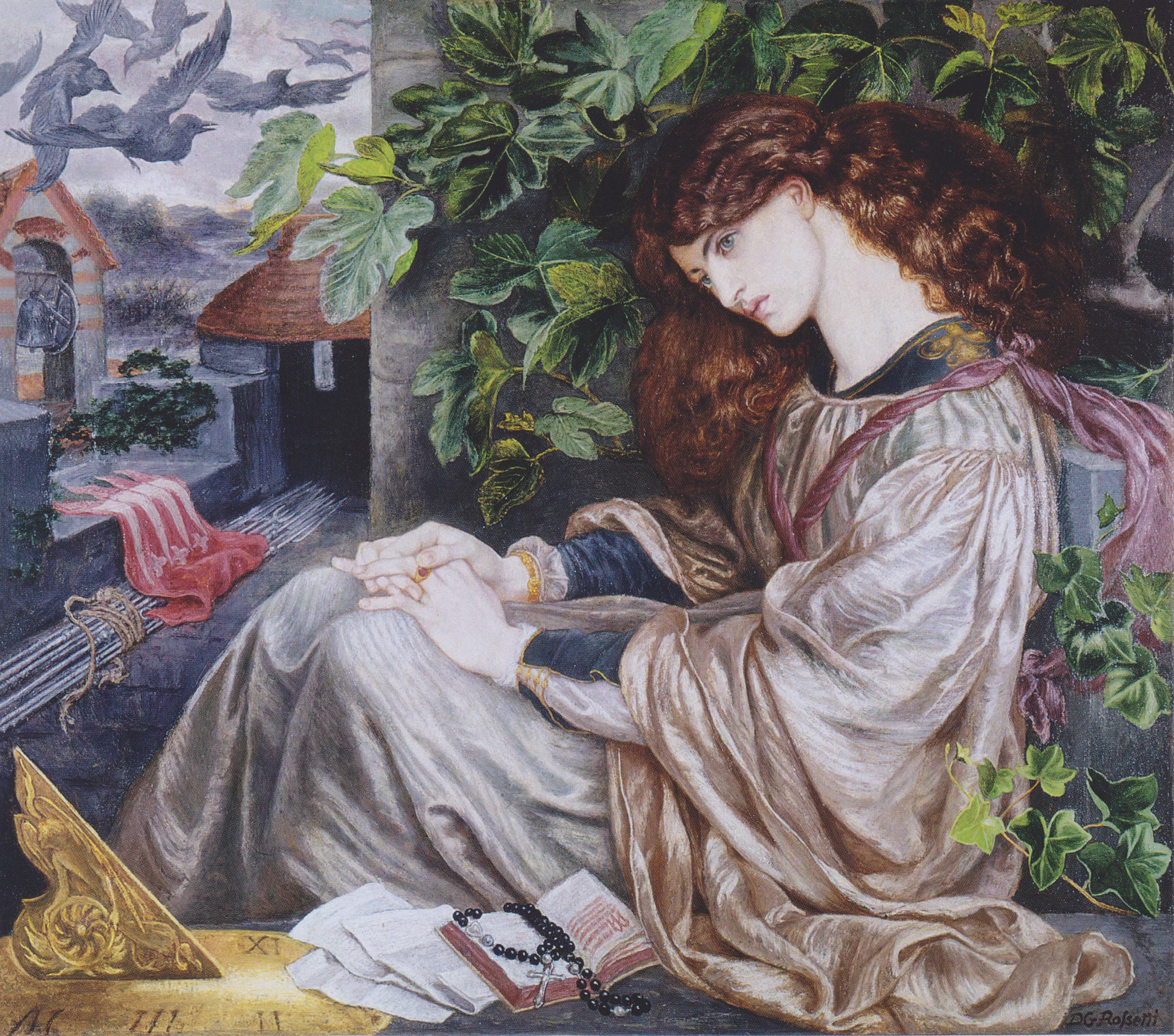
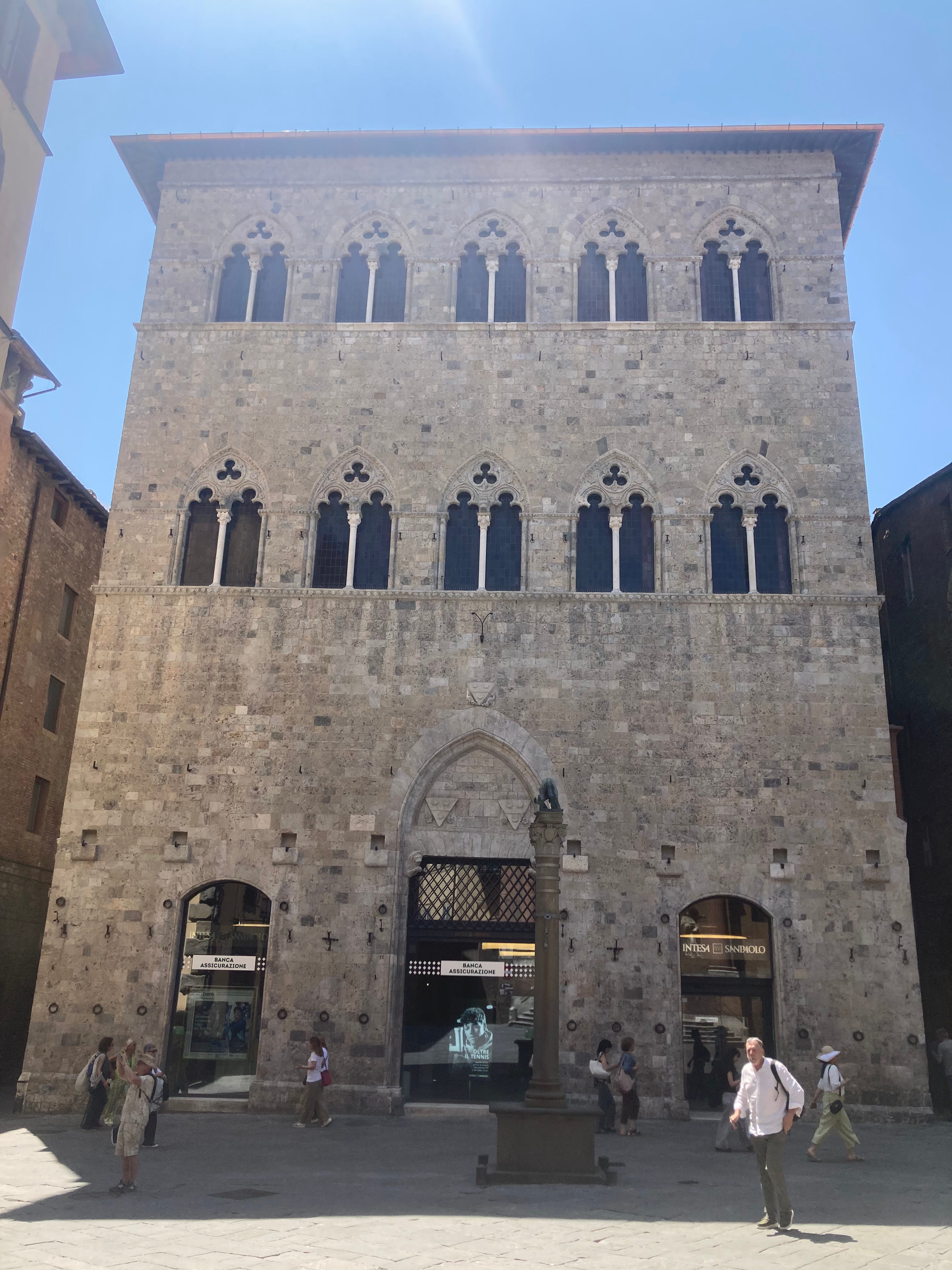
Sometime in the late 1200s, a noblewoman’s graceful fall is met with the unusually drought-ridden ground of south-western Tuscany. She is Pia de Tolomei, a member of one of the four major Sienese ruling families, and was murdered on the orders of her husband Nello de la Pietra. While we know almost nothing about her life, she certainly leaves behind an enviable legacy: the towering Palazzo Tolomei, her family home, still remains on of Siena’s finest, and she appears in numerous works of art and poetry.
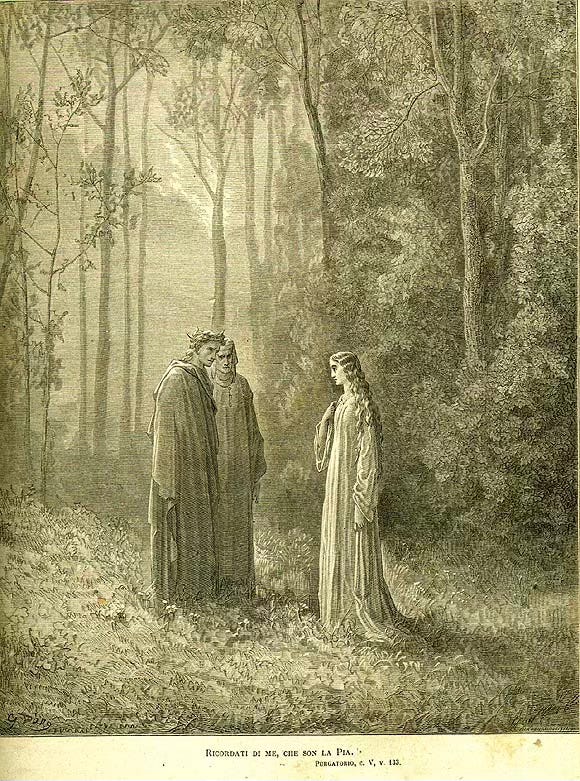
Of course, none of this would be true without the work of a certain Dante Alighieri, who mentions her briefly in Canto V of Purgatorio (the second of the three instalments comprising the Divine Comedy). She is one of the many souls undertaking the slow ascent up Mount Purgatory (she is here because she did not seek absolution before her death, which I presume she was supposed to do during the few seconds in which she flew from the castle window to the ground where she took her last breaths…. harsh to say the least). Her words are few:
“ricorditi di me, che son la Pia;
Siena mi fé, disfecemi Maremma:
salsi colui che ‘nnanellata pria
Disposando m’avea con la sua gemma”
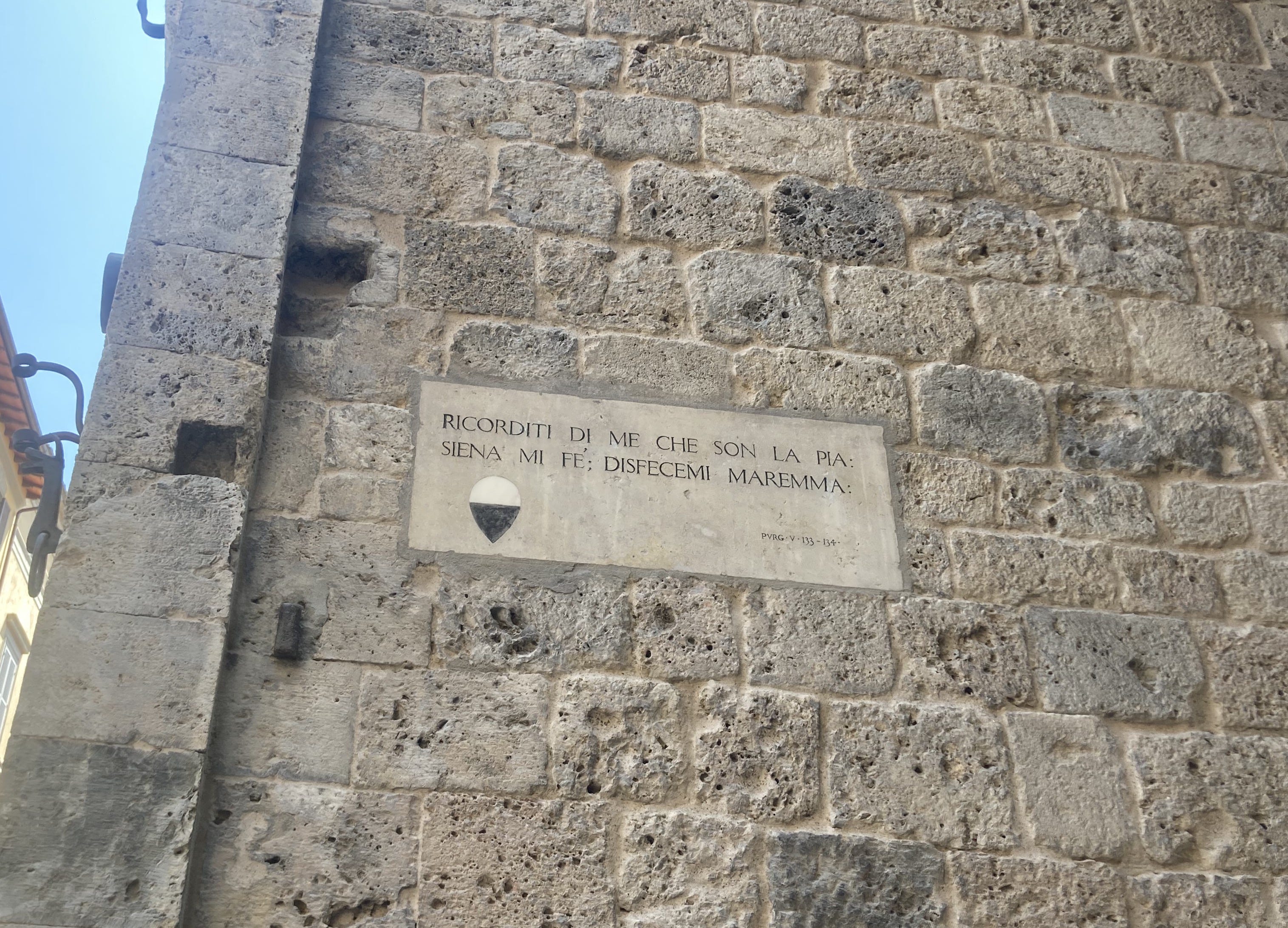
Translation:
“remember me, I am am La Pia;
Siena made me, Maremma unmade me:
he, who when we were wed, gave me his pledge
and then, as a nuptial ring, his gem, knows that”.
This is certainly a reference to the epitaph of Virgil, the foremost of Roman epic poets (despite his only writing three works), who serves as a guide to Dante through Inferno and Purgatorio, but cannot enter Paradiso due to his being but a virtuous pagan (he shall reside, presumably for all eternity, in the sort of “ante-porto” to the true Inferno, along with other notable figures who lived before the time of Christ). Virgil died in 19 B.C, and the inscription on his tomb reads “Mantua me genuit; Calabri rapuere…” (Mantua gave me birth, Calabria took me off); the similarity is clear. A certain T.D Watson is also of the belief that John Milton cleverly re-worked Pia’s words into Paradise Lost - allegedly one of Milton’s characters uses a similar phrase but substitutes Siena and Maremma for two districts of London which happen to mirror the distance and direction between the two Italian locations (Maremma is south-west of Siena, Watson says Milton uses Highbury and Richmond (the latter being south-west of the former). Unfortunately I can find absolutely no evidence for this, and until I have sufficient time to properly tackle Paradise Lost (it’s shameful that I haven’t already I suppose), perhaps a budding Milton-ologist might have the strength to shed some light on this very specific mystery….
*** Edit: HMJ has sensibly pointed out in the comments that the lack of information about Milton’s Dante reference makes perfect sense due to T.S. Eliot being the real culprit. See his comment for the quote.
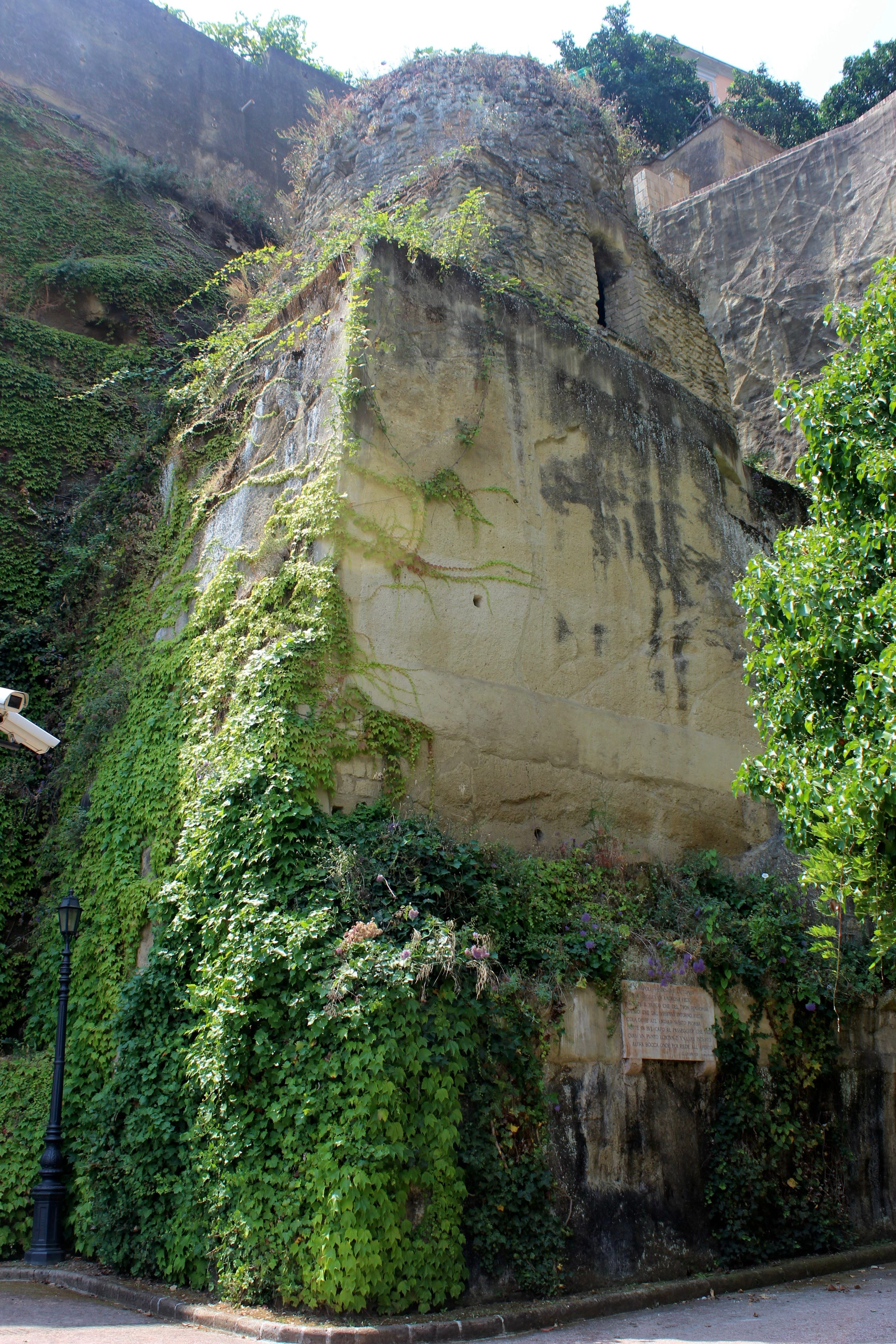
Anyhow, Pia (often known as “La Pia”) was said to have been defenestrated, presumably by her husband himself or one of his goons - her spouse Nello de la Pietra might have been having an affair (and sought a marriage) with Countess Margherita Aldobrandeschi, or according to some he discovered an affair of her own. In recent times, despite her obscurity, Pia has become fairly well known as one of the most commonly referenced characters from La Commedia in the universities of today, whose colourful wide-brimmed spectacle wearing professoressas insist on leading courses solely about women in medieval literature, leaving students without a general understanding of the Divine Comedy as a whole. Despite the traditional “flung from window” story, there are numerous theories about the manner of Pia’s death, although none can ever be conclusive of course - according to one of the professors here at the University of Siena “The only consensus on Pia’s death is its secrecy, which is why La Pia says that only her husband knows how she died”. Perhaps some of us will be lucky enough to send our regards to Pia on our way up the greatest of biblical mountains, although I’m sure most of us will end up in the eternal tempest along with Nello, who, despite three or four months of great sex with Margherita, is condemned.
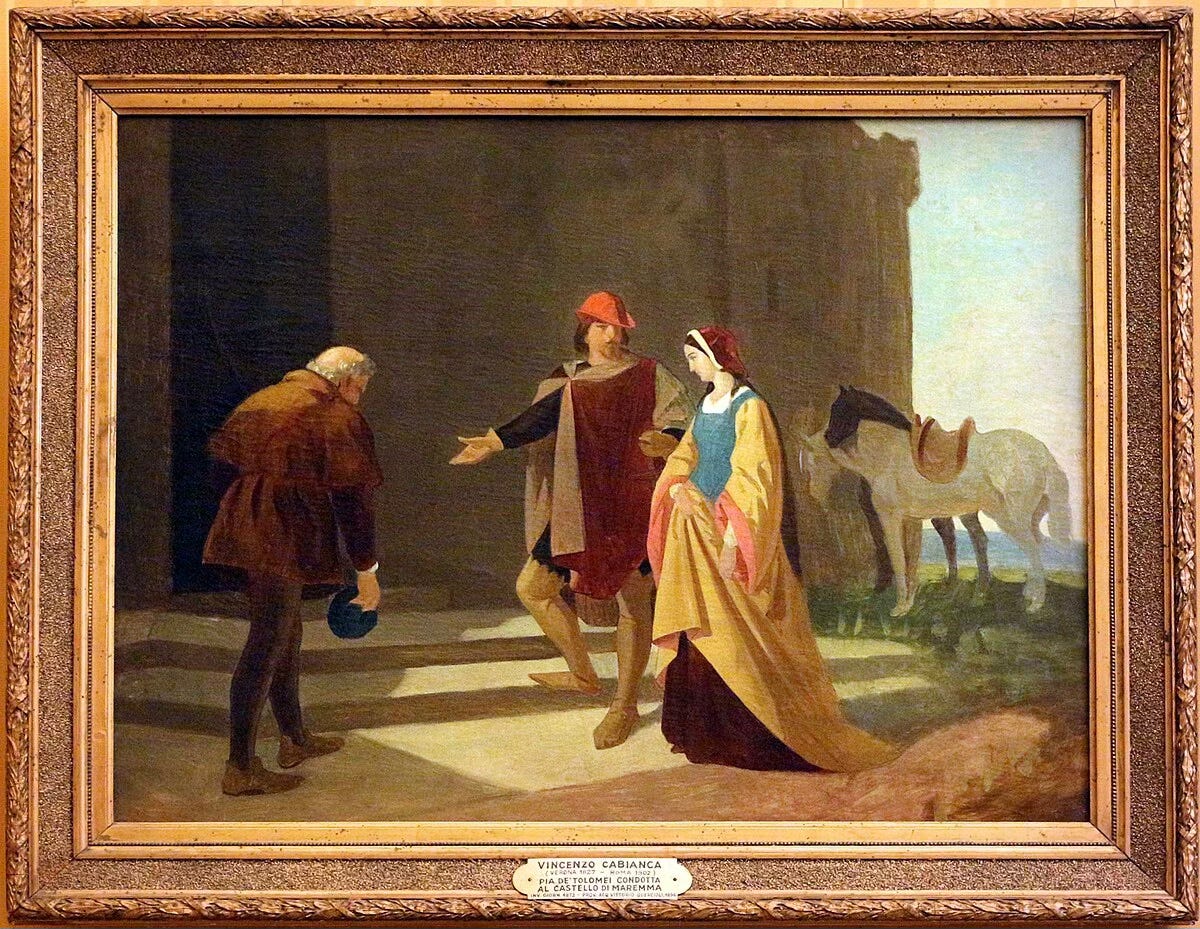
The Professor also maintains that while Siena is the place where human ties are formed, Maremma is where ties are broken. This may have been broadly true for the succeeding hundreds of years, although things changed drastically on the evening of the 6th March 2013, where a man’s body was shattered by the wet Sienese cobblestone, blood leaking internally until it suffocated himself. This man was David Rossi, the main subject of this piece. Pia’s death is semi fictional, and more than seven hundred and fifty years in the past, so we might be able to “scherzare” a bit about it, but the case of Rossi is far more immediate, and represents the living and barely hidden penumbra of the beautifully stagnating country that is Italy.
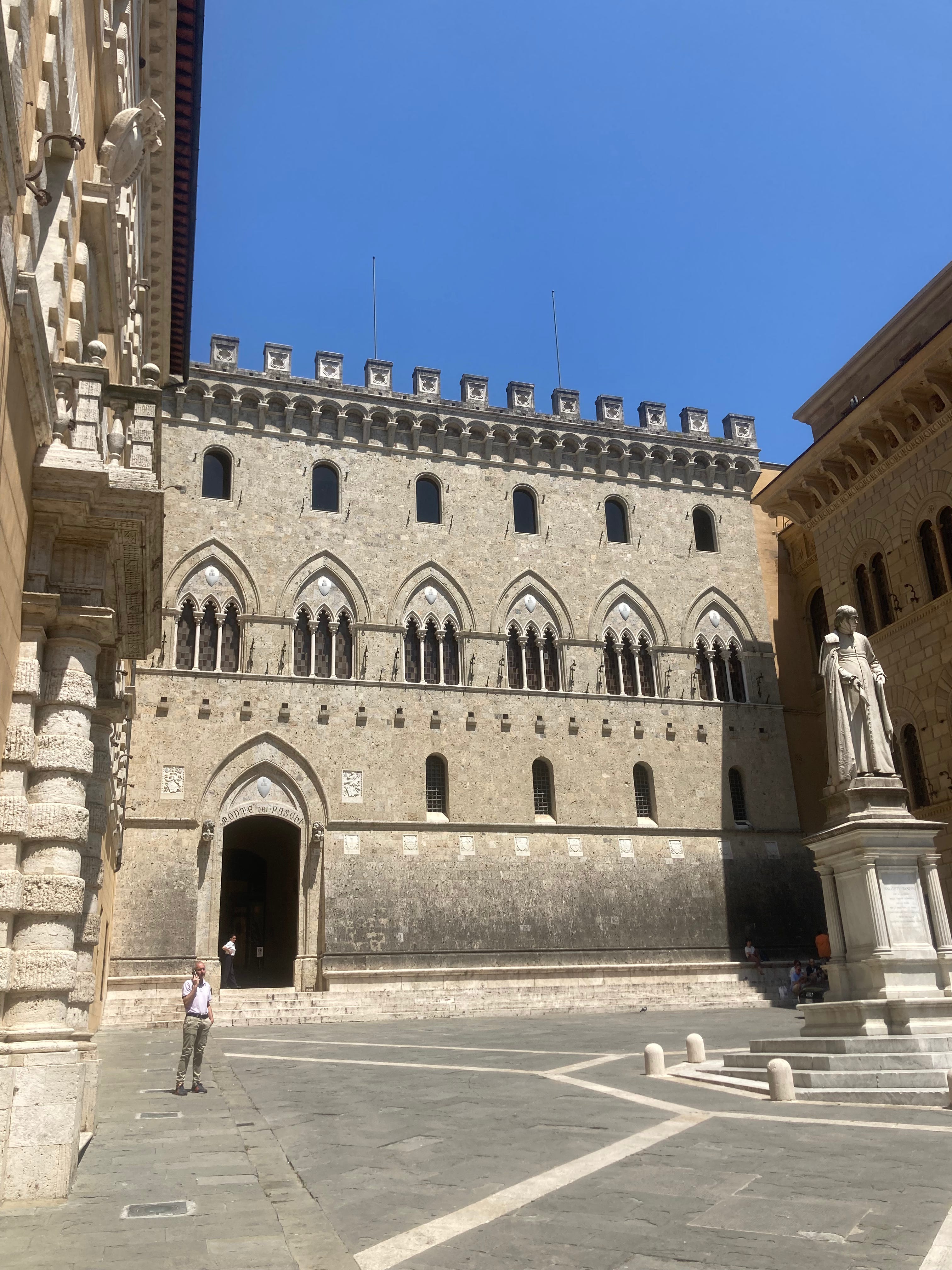
To understand this more fully, oddly we must return to Maremma of all places, the once marshy wilderness which now comprises towns such as Grosseto. In 1624, the Grand Duke of Tuscany Ferdinando II de’ Medici (Florence finally conquered and started to control the Republic of Siena in 1555) made the decision to guarantee accounts (one of the cornerstones of our modern banking system) held at the Monte Dei Paschi Bank in Siena using vast amounts of money which he generated through the proceeds of his massive agricultural empire in Maremma. The Monte Dei Paschi is the oldest bank in the world, founded as a “Mount of Piety” in 1472, and remains Italy’s third biggest bank to this day. The MPS absolutely dominates Siena even to this day, with the age old phrase frequently (and overly) used by journalists outside of Siena being that the city is made up of people who have worked for the bank, are currently working for the bank, who dream of working for the bank, and finally those who are drawing their pensions from MPS (its abbreviated form). Its central headquarters are housed in the Rocca Salembini, just a few meters from the famous Piazza il Campo - the Rocca is a stunning XIVth century palazzo through which numerous navy suit-clad men with suspiciously well groomed hair pass each day. It has always struck me as fairly mysterious, with faint lights often visible behind its intricate stained glass gothic windowpanes far into the night. Its air of intrigue is only furthered by the purported presence and influence of Freemasonry and the Catholic Church in its board of directors (which I shall tackle in another article). MPS expanded massively in the 1990’s, operating 2000 branches, and going on a huge campaign of buying other small banks throughout Italy, Europe, and overseas (such was the economic optimism of the era at the turn of the Millennium). This indeed brought massive wealth to the bank, and thus to the city. For most locals, Monte Dei Paschi IS (or at least was) Siena - their identities and fate are completely intertwined - despite the population barely exceeding 50,000 (almost exactly that of Royal Tunbridge Wells for example, not a megalopolis), MPS gave an average of £150 million each year (sometimes rising to more than £200 million) to a variety of causes including but not limited to: the £8 million sponsorship of A.C. Siena, which reached Serie A (the top flight of Italian football), as well as that of the Mens Sana basketball team (ranked third in the whole of Europe at one point), seemingly infinite museum and gallery renovations, repairs to the exquisite Duomo, funding of the University of Siena (founded in 1204, one of the oldest in the world), and, perhaps most importantly to the populace, the funding of the Palio, the greatest horse race in the world, which takes place around the Campo itself in front of 100,000 spectators (this shall be another article of course).
Things were going swimmingly, until predictably the financial crisis ruined all the fun. I don’t want to focus too much on the economics of the downfall of MPS (partially because they are extremely confusing even to me), but the problems started to manifest themselves in 2007, when MPS bought a small Italian bank, Antonveneta, from the Spanish giant Santander. They paid 9 billion euros, which was a colossal overpayment: most agree on the figure of £3 billion more than the estimated market price, but some even say as many as £6 billion. This led to immediate struggles (not least helped by the Wall Street Crash in 2008). Funds had to be raised, and the answer seemed to be to buy £25 billion worth of Italian sovereign bonds, which “before the financial crisis were considered a good, safe investment”. However, Italy had its own financial crisis in 2012-13 - these bonds rapidly lost their value, and MPS turned to a combination of insider trading and illegally concealing billions worth of losses in an attempt to survive. Thus we return to March 2013, at the peak of this illegal activity (which has since seen 13 ex-directors jailed for their involvement in 2019).
David Rossi was the Director of Communications for the bank, an esteemed position but surely a stressful one during this period. However, all testimonies point towards a level headed, hardworking professional who, until a few days before his death, never displayed any sort of panic, (that which magistrates concluded caused his suicide). Anyhow, the general consensus is that Rossi was extremely “in the know” about the criminal goings on within the bank - he sent an email to his director three days before his death in which he asked to discuss a seemingly critical topic - he ended the message by saying “tomorrow might already be too late”. He was dead 48 hours later. After failing to return home on the night of the 6th March 2013, his wife called his “best friend” at MPS Giancarlo Filippone, who would eventually discover his lifeless body after entering Rossi’s office and peering from his third-floor window, high above the Vicolo Monte Pio. He brought Rossi’s stepdaughter, anxious for any news, with him - she has since questioned why he told her to wait outside the entrance instead of letting her come and search too - after all, she was 20 years old, not a child. Another colleague, Bernardo Mingrone, called the police, and thus began the comedy of possibly sinister errors which has led the majority of the population of Siena to believe that Rossi was murdered.
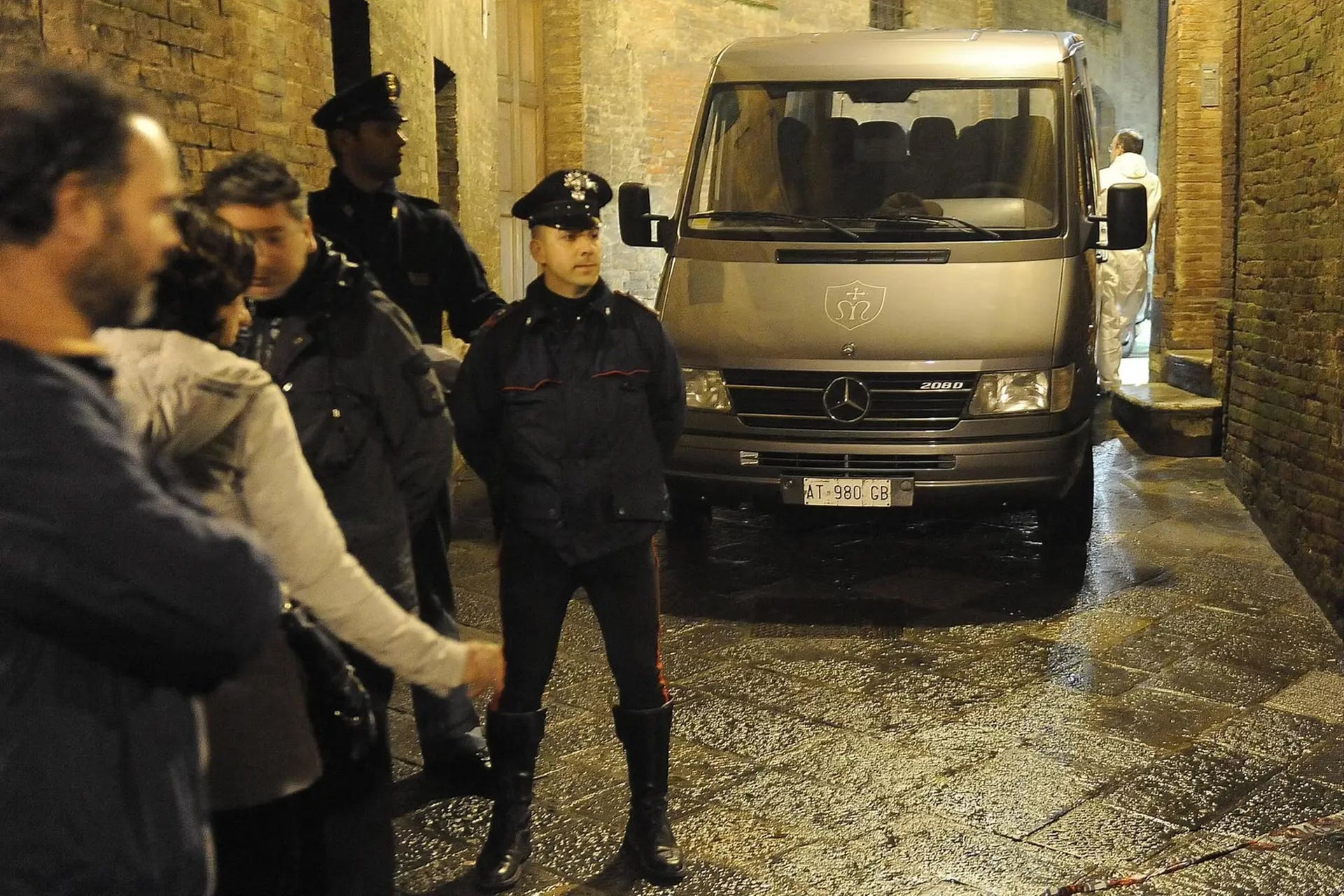
The incompetence of the Italian police was immediately on full display when they finally arrived - the crime scene was immediately contaminated (there were at least twelve Carabinieri and three magistrates who entered and spent two hours in Rossi’s office), with officers both touching Rossi’s body, clothes, and moving his possessions. This is perhaps most evidently seen in the fact that there were seven blood-soaked tissues in Rossi’s office, which were somehow disposed of and never analysed. Furthermore, no photos were taken at the scene until the Forensic Police, who would eventually seal the crime scene, were finally called nearly three hours later. The trajectory of his fall has also raised significant questions - Rossi fell backwards, facing the wall, and landed just below the window he “leapt” from - numerous analysts have said this does not appear to be the trajectory of someone who jumped. His body also had bruises and cuts which “suggests he may have been gripped forcibly by one or two assailants before being pushed out of the window”. Dr Robbi Manghi examined these lesions and concluded that they were of a “lacer-contused” type and therefore are incompatible with a fall of his type. In fact, this very week (24rd June) Gianluca Vinci, the head of the Parliamentary Commission overseeing Rossi’s death (notably impartial and not connected to any of the prosecution or Rossi’s family), said conclusively that the wounds were not caused by the fall. Similarly, in photos taken during the post-mortem, there are four red marks “in the shape of fingers” visible on his upper arm, as well as a “deep, L-shaped gash which suggested he may have been hit with a blunt object before falling from the window”. Finally, traces of gold were found on Rossi’s wrists (despite his not wearing any gold), which prosecutors suggest came from an assailant, wearing a ring or some such golden jewellery, forcibly taking Rossi by the wrists (which would also explain the strange cuts and marks all over both wrists).
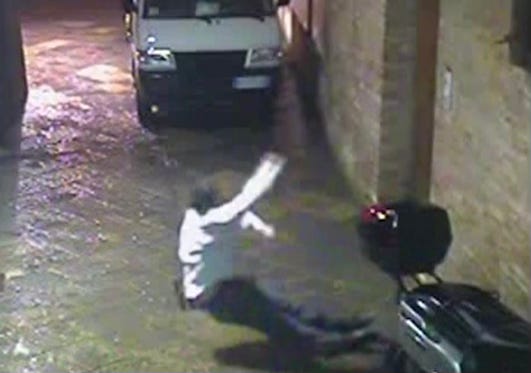
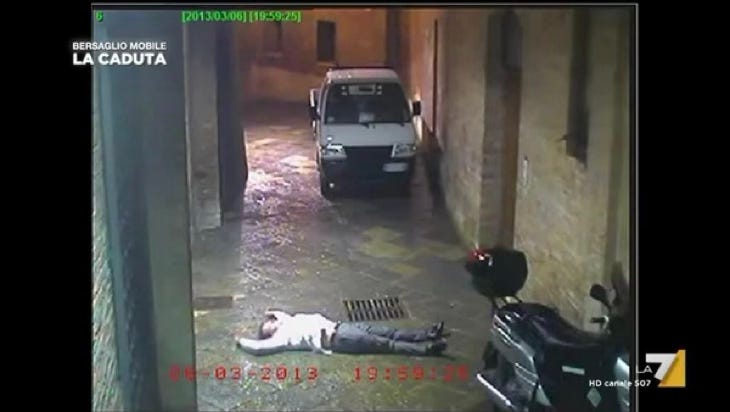
The compendium of evidence continues in Rossi’s office: a handwritten note to his wife which read “Ciao Toni, my love. I’m sorry” was allegedly (according to a handwriting expert) written under duress, and Antonella, his wife, maintains that he never once called her Toni. Her lawyer is adamant that “there are clear signs that he was coerced to write the note by someone”. It wasn’t just the handwritten note however - upon inspection, Rossi had sent an alarming email to his director saying “This evening I’m going to kill myself, I’m serious. Help me”. Mysteriously, the director in question, Fabio Viola, reported never having received the email, and the Polizia Postale (the police in charge of online crime) maintain that the email was actually planted in his inbox on the 7th March, the day after Rossi’s death, and edited with a false time stamp. This is frustrating, as this would be extremely damning evidence if proven, however such is the bureaucracy here in Italy that 12 years later the Polizia Postale is “still investigating” this avenue of investigation, despite having made the above statement years ago. Another extremely intriguing piece of evidence concerns a call that was made from Rossi’s phone (in his office) 33 minutes after his fall - coincidentally at the same time an object fell from the office window to the ground beside the body, just barely visible in the poor quality CCTV footage. This object turned out to be Rossi’s watch, with the watch face detached from the strap. The fact that Rossi’s watch was broken down into its two pieces (hinting at a struggle before his fall) before the fall was decisively confirmed by the Parliamentary Commission three days ago (24th June 2025).
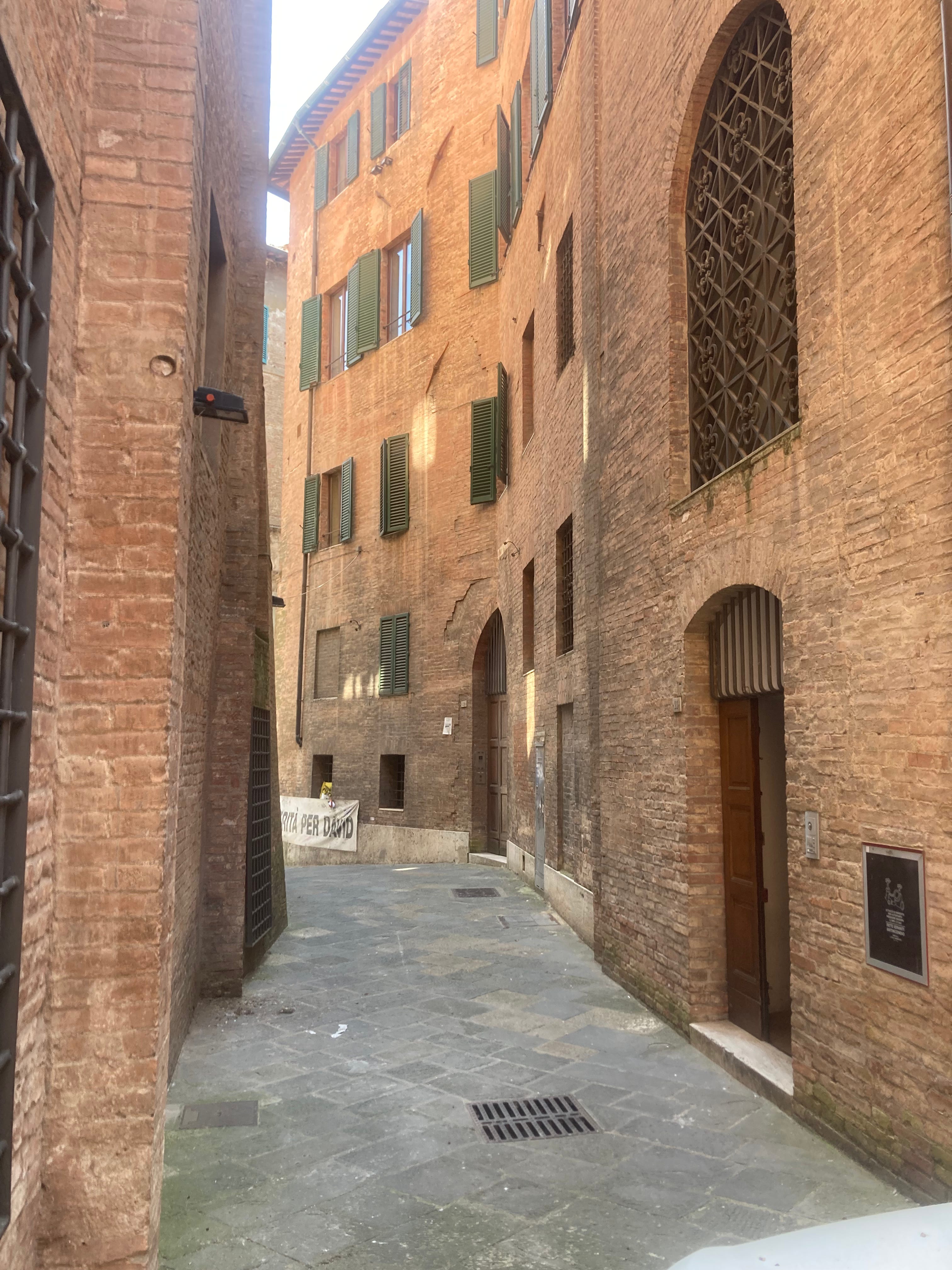
In the 12 years since Rossi’s death, leads have been agonisingly few (and so has progress on behalf of all the Italian authorities involved). Much work has been done to identify a shadowy figure who enters the alley while speaking on his mobile phone about half an hour after the fall - he seems to observe the body briefly before disappearing into the night (a skeptic would say he was checking that Rossi was indeed dead and relaying this information) - but his identity remains a mystery. This is certainly not helped by the fact that out of the 15 cameras in and around the bank, only one was able to produce footage from that night: this seems incredibly odd for such an important and secure institution. Indeed the security officer who was in charge of monitoring the cameras failed to observe anything awry, and thus Rossi lay on the wet stone, still breathing and moving, for about 20 minutes unnoticed before he died. The usual practice of logging who entered and exited the building seemed not to have occurred that night either, and the phone records from the building and surrounding streets (used to identify which individuals were in the vicinity of the incident at the time) were also lost.
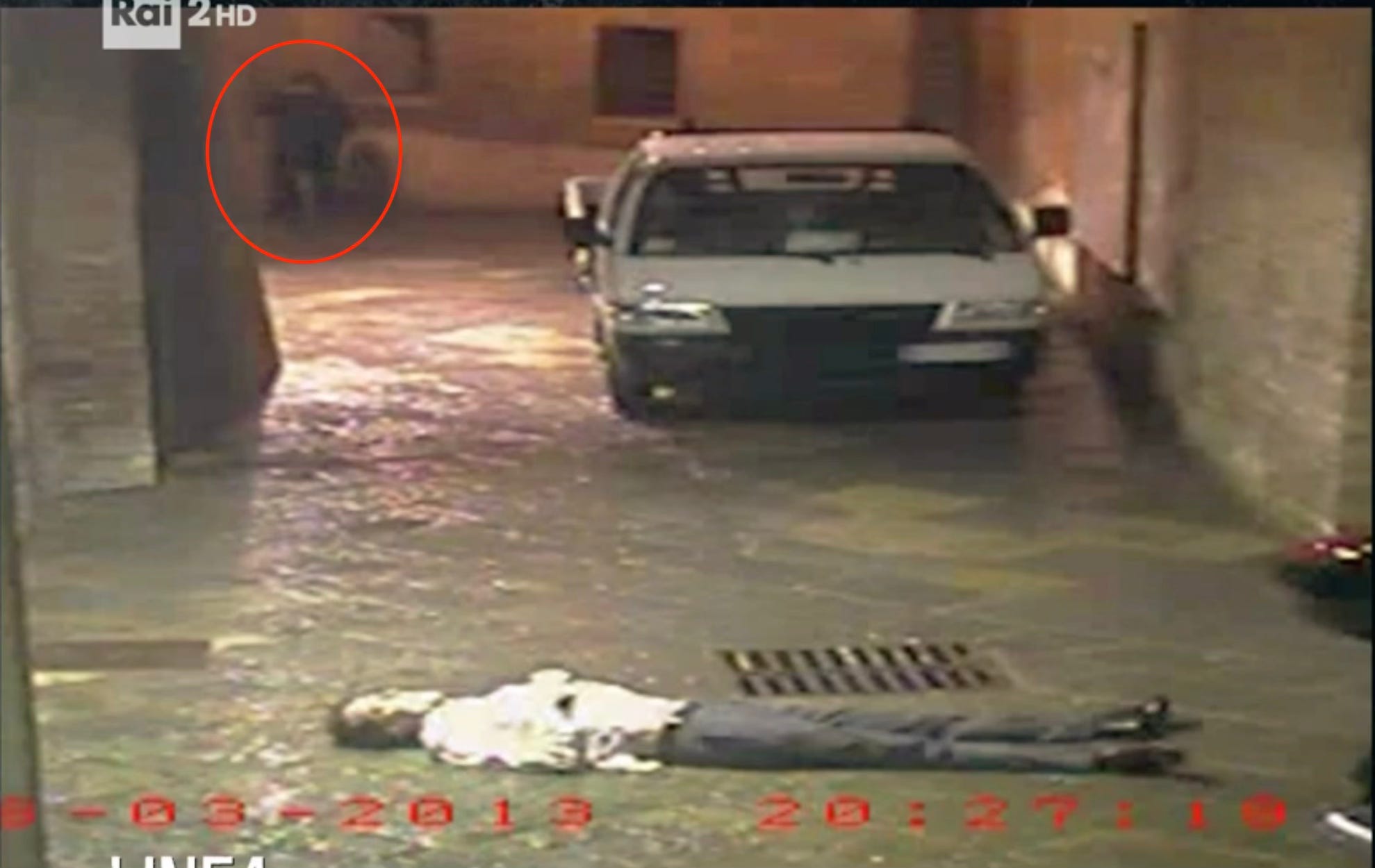
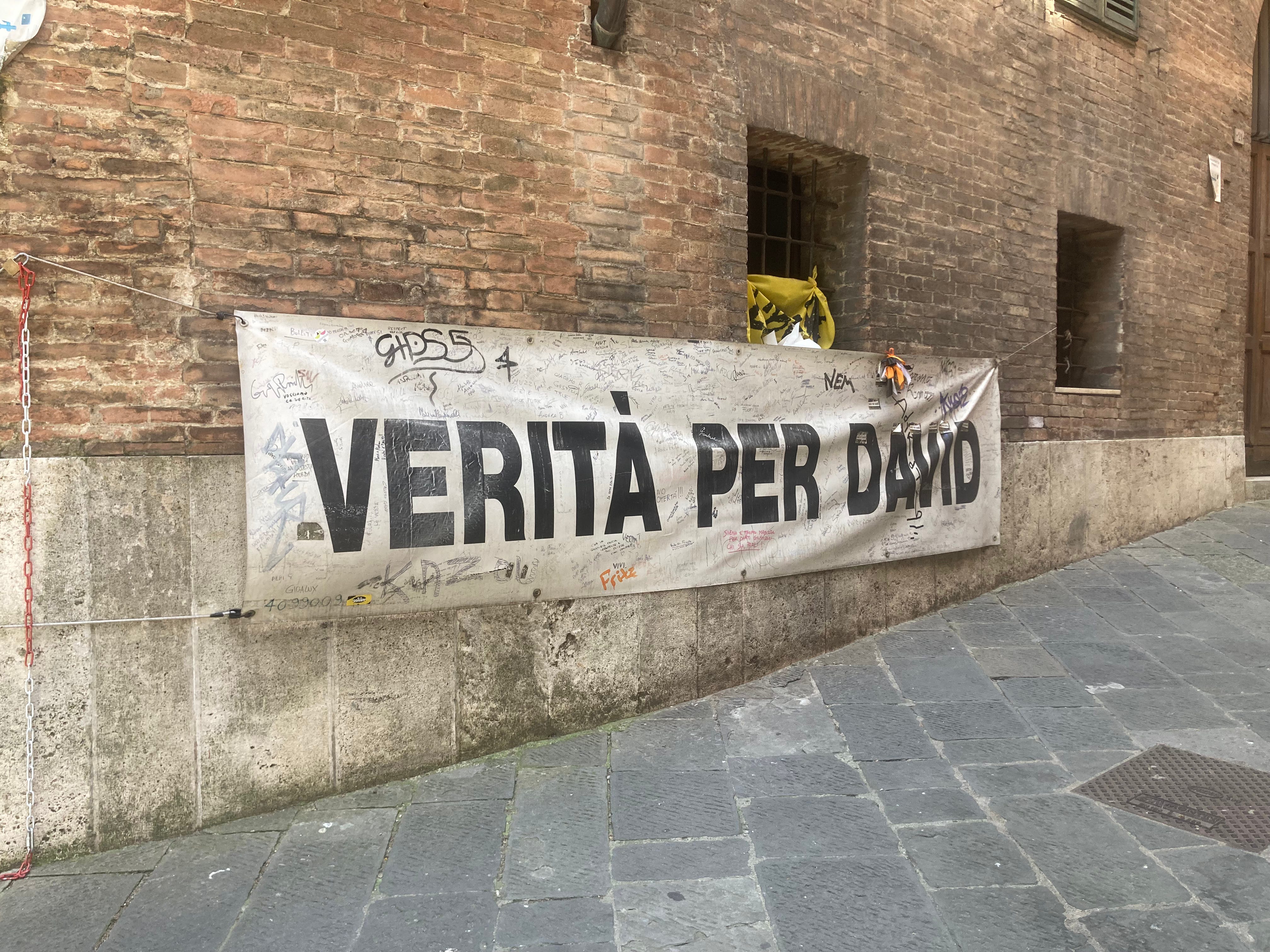
Recently, Giandavide De Pau, a member of the Senese Clan of the Camorra (the Neapolitan Mafia) admitted to having been involved in the murder of Rossi (he is in prison for killing two Chinese and one Colombian prostitute in Rome). Officials believe him to be insane however, and the last update I’ve been able to find (in April) was that he has has been given permission to leave prison temporarily and undergo a serious of brain scans to find out the extent of his sanity before he can be considered a reliable witness. Another shady figure, William Villanova Correa, who remarkably is also in prison for murdering a Colombian prostitute (this time in Siena) has recently admitted that he knows the identity of Rossi’s killers, and although choosing to remain silent when pressed at his hearing, his sister gave two hours of testimony to the Parliamentary Commission in April this year (again, much to our frustration the content of this hearing has not yet been made public). The lack of witnesses and the general silence is confounding, especially due to the the bank’s proximity to the centre of a bustling city, however events like the posting of threatening letters containing bullets to numerous magistrates involved in the case in 2017 might help us understand the climate surrounding so many crimes in Italy and why some prefer to stay quiet. There is a strong sense that there are those within the bank and in and around Siena who know exactly what happened. Graffiti around the crime scene reads “Siena è troppo mafiosa per darti giustizia. Chi sa, parli!” (Siena is too full of mafia to give you [Rossi] justice. Whoever knows, speak!). Speaking of the Mafia, according to the chief of the Parliamentary Commission, Gianluca Vinci, “almost every line of enquiry leads us to the ‘Ndrangeta” (the most powerful Mafia group in Italy).
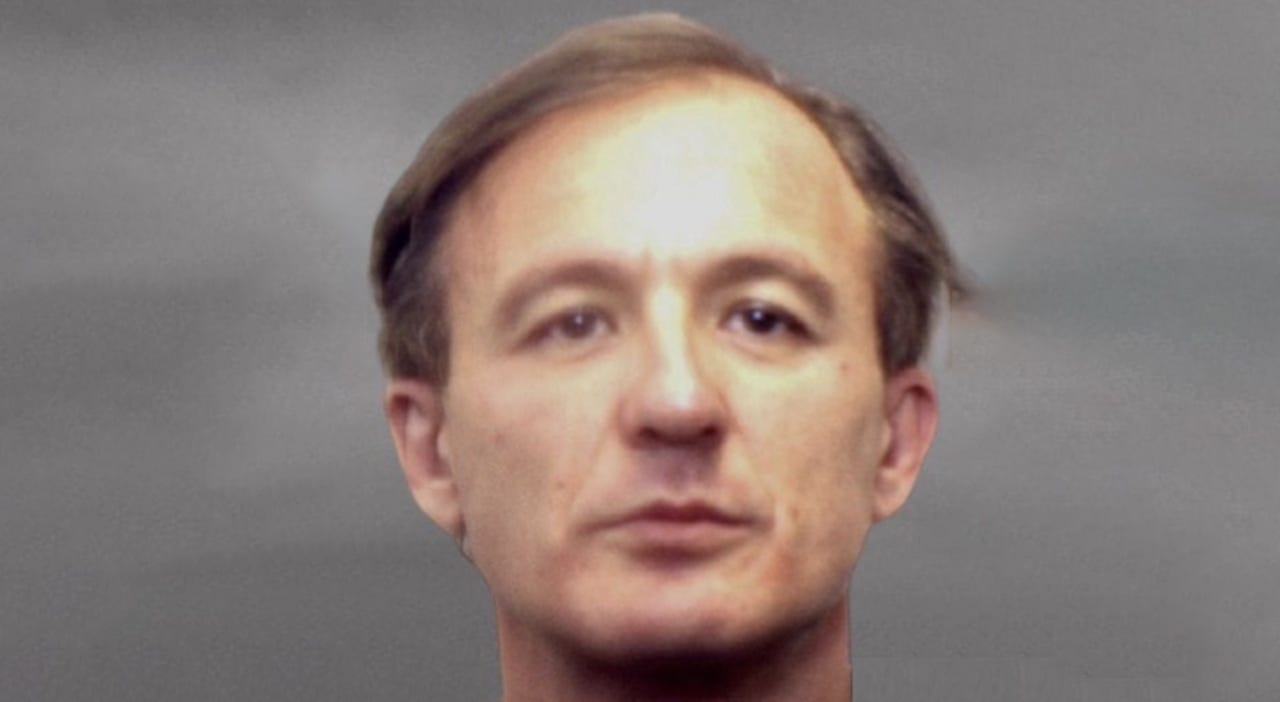
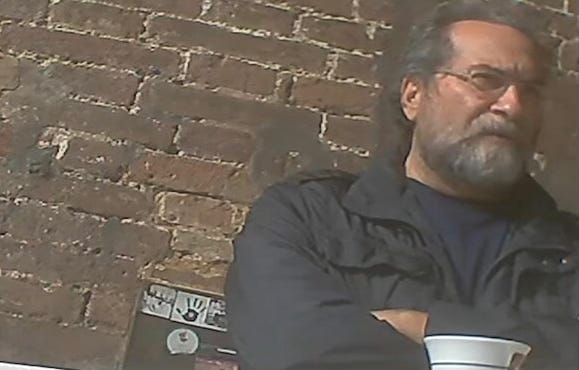
Almost every Siena resident I have asked is convinced of foul play. Even the previous Mayor of Siena, Pierluigi Piccini, who was also a manager at Monte Dei Paschi France, thinks so - in a blockbuster hidden-camera interview he admitted “I knew David very well - he worked with me when I was mayor. There was no way he would do something like that, because of the sort of man he was….. his body displayed injuries compatible with a struggle, he fell unnaturally out of the window and his watch seems to have been thrown into the street half an hour later. He had called both his elderly mother and his wife to tell them he was on his way home… he had threatened to go and report everything to the authorities…. He had far less reason to kill himself than he had to be killed”. He also goes on to speak about the “Festini Senesi” (Sienese parties), a serious of reportedly scandalous parties in a villa “somewhere near Monteriggioni” (a medieval walled town just outside Siena) which allegedly played host to numerous bank officials, as well as politicians and other notable public figures. Piccini talks directly of these “orgies and perverts”, and how perhaps Rossi also had compromising information about these sordid evenings. Rossi’s wife seems convinced that some of the magistrates overseeing the case at the moment are doing so with deliberate inefficiency and inaccuracy because they themselves were present and naturally prefer to keep this hidden.
And that about sums up the case so far. To many it is the perfect representation of the horrific state of justice in Italy - the phrase “the perfect murder” is thrown around more often than I can say. Almost every few weeks a new development inevitably hits the front pages of all the newspapers here in Siena - such is the continuing progression of and feverish interest in the case (only yesterday I saw Davide Vecchi, the ex-editor of the Fatto Quotidiano, who has made his life’s mission to prove Rossi’s death was murder, speaking with great animation to a suited man outside the MPS headquarters). I myself am on the fence. Despite listing only evidence to support the hypothesis of murder above, I do believe that one can be convinced of suicide if one tries - the bloody tissues might have come from attempts at a different method of suicide (which might explain the cuts on the wrists), and the angle of the fall could be explained by Rossi clinging onto the security bar in fear, desperately trying to rationalise what he is about to do, before letting go and falling backwards - most suicides are preceded by long periods of doubts and are surely not committed instantly. If I were an optimist, I might guess that a true conclusion will arrive in the next ten years, but the nature of Italy is an inert one, and the apathy of the department of justice will surely lead to another similarly dissatisfactory piece on this very Substack in 2035. Do keep on the lookout for that…
The perfect read during the shuffling of the cattle herding that is the security at Stansted airport, on the way to Siena
Cracking stuff. It all comes back to Dante, meddling sod...